
One rotor handles all process air and product cut.
Parallel classifier technology for demanding ultrafine powder
Multi-Head Ultrafine Mill
One proven grinding chamber. Multiple classifier rotors in parallel. More usable airflow, sharper D97 control and higher output at 1500-2500 mesh.
325-2500mesh typical range
D97precision classification
2-6parallel rotors available
50+years manufacturing
The distinction that matters
“Multi-head” describes the classifier, not the grinding chamber.
Several independently driven rotors share airflow above the same grinding unit.
Why parallel classification
Unlock grinding capacity at high fineness
A single classifier rotor can become the bottleneck as resistance rises at ultrafine cuts. Parallel rotors increase total flow area and stabilize the classification field without changing the mill's core grinding mechanism.
More classification airflow
Larger combined flow area reduces the classifier bottleneck and releases more capacity at 1500-2500 mesh.
Narrower particle distribution
Independent VFD rotor control improves field uniformity, reduces coarse bypass and supports precise D97 targets.
Two grades at once
Selected configurations can run different rotor speeds to produce two grades simultaneously.
Less over-grinding
Qualified fines leave sooner, reducing internal recirculation and unnecessary energy use.
Built for high-output lines
Large mills such as the Cronus 125 series use multi-head classification to match grinding potential.
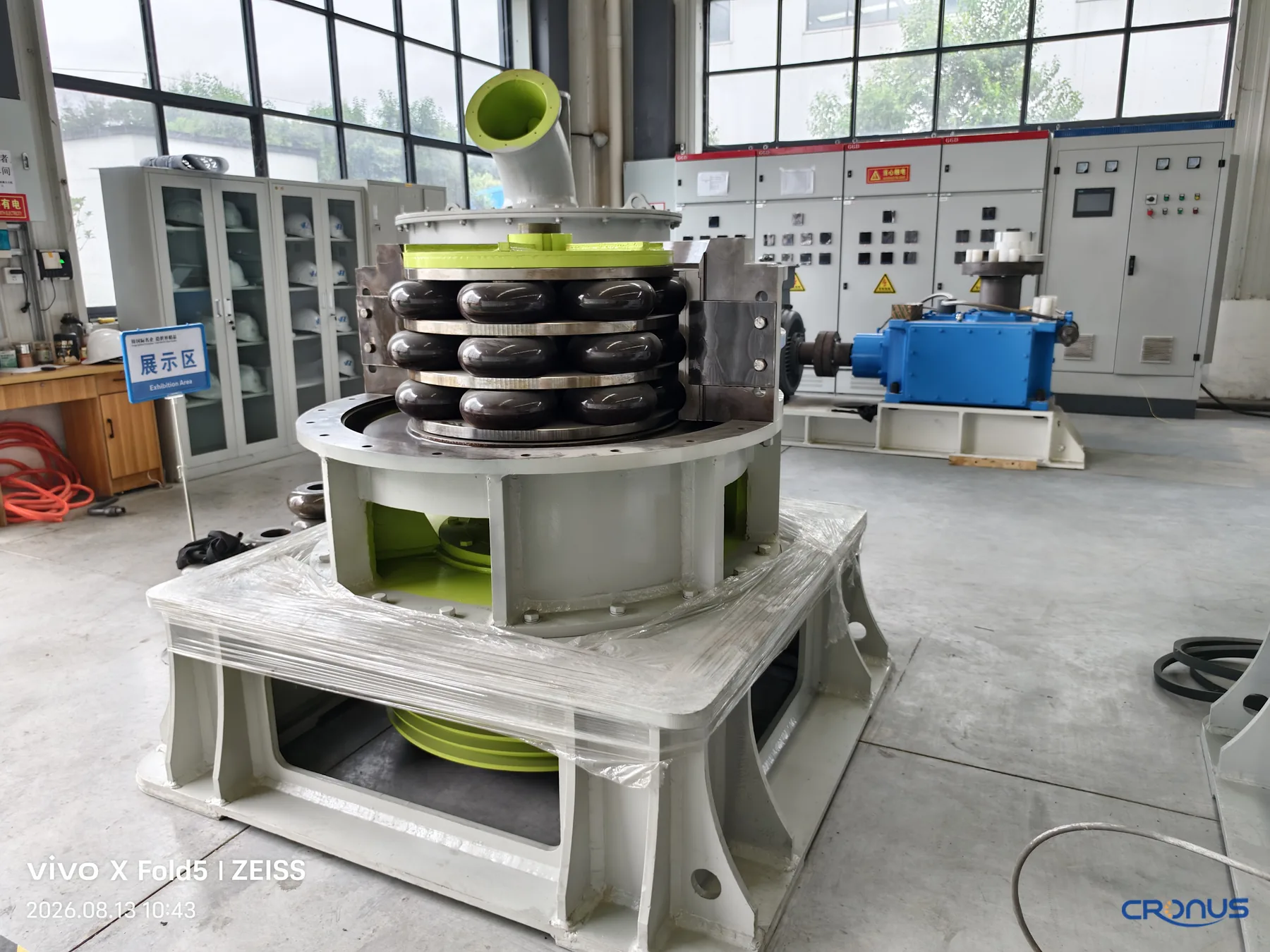
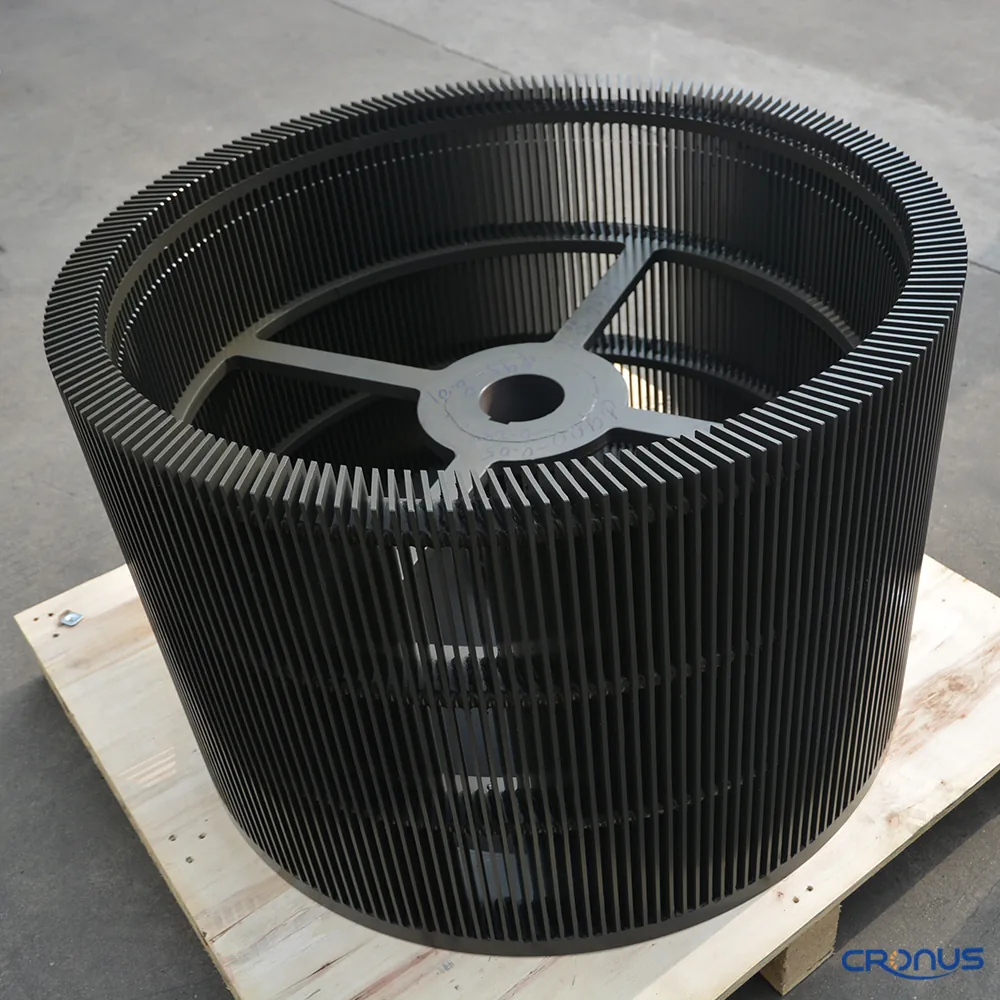
Structure in plain language
One grinding unit, upgraded above the chamber
Material is metered into the mill and dispersed across the grinding zone. Rollers press and shear particles against the ring. The fan carries fine particles upward, where several classifier rotors make the final size cut in parallel.
- 01
Controlled feeding
Stable loading protects classification consistency.
- 02
Layered grinding
Rollers and ring create compression, impact and shearing.
- 03
Parallel separation
VFD-controlled rotors reject coarse particles and pass qualified fines.
- 04
Closed collection
Cyclone and pulse filter recover product under negative pressure.
Complete powder line
From feed lump to classified powder
01
Primary crushing
Reduce raw material to a stable feed size.
02
Buffer & metering
Keep the mill evenly loaded.
03
Ultrafine grinding
Ring and rollers form a dense grinding bed.
04
Multi-head grading
Parallel rotors make the final cut.
05
Collection & packing
Recover powder for silo or bagging.
See the system working
Real machine. Real construction.
Compressed, web-ready footage shows the multi-head upper classifier and industrial-scale assembly.
Materials & industries
Engineered for non-metallic mineral powders
Suitable for dry, non-flammable materials within the confirmed hardness and moisture envelope. Final selection depends on abrasiveness, feed size, moisture, target D97 and throughput.
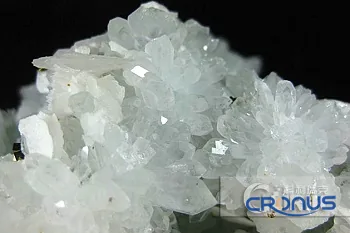
Calcite
Coatings, plastics, masterbatch
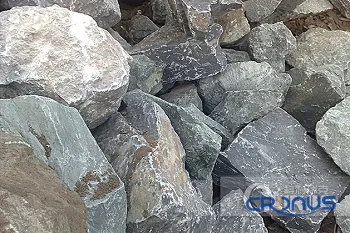
Limestone
Construction, desulfurization
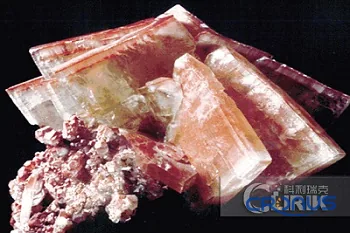
Barite
Drilling, paint, chemical filler
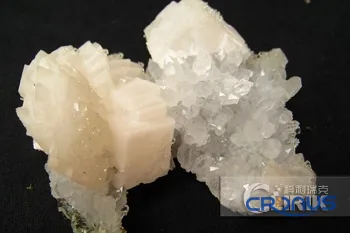
Dolomite
Glass, ceramics, fillers
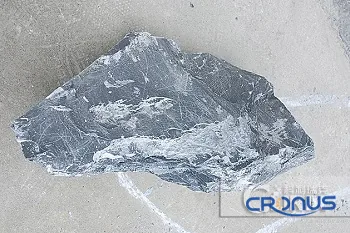
Talc
Plastics, paper, cosmetics
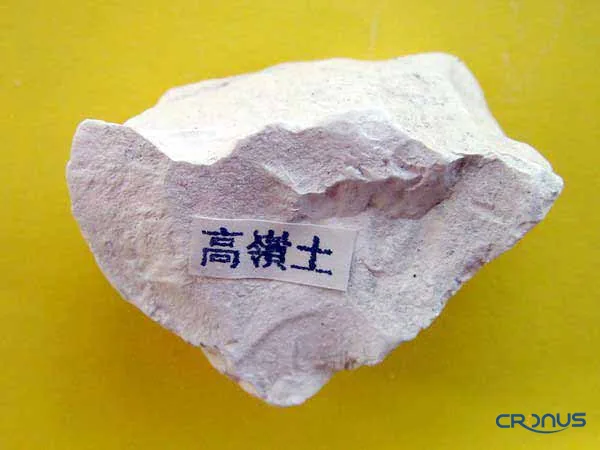
Kaolin
Coatings, ceramics, rubber
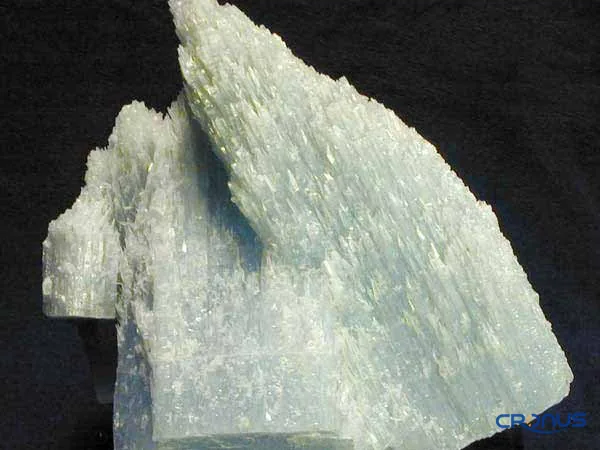
Gypsum
Building materials, additives
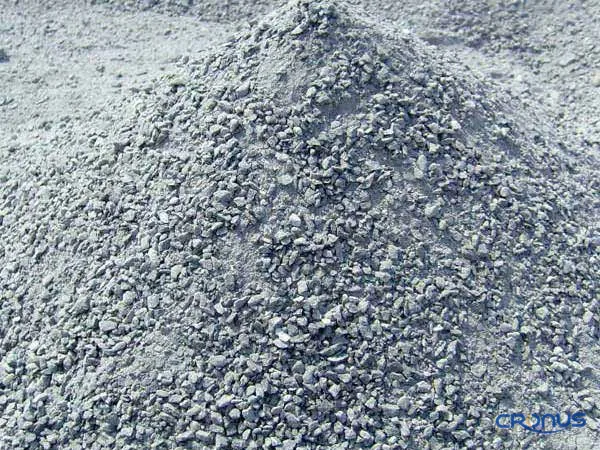
Fly Ash
Cement, value-added fillers
Engineering evidence
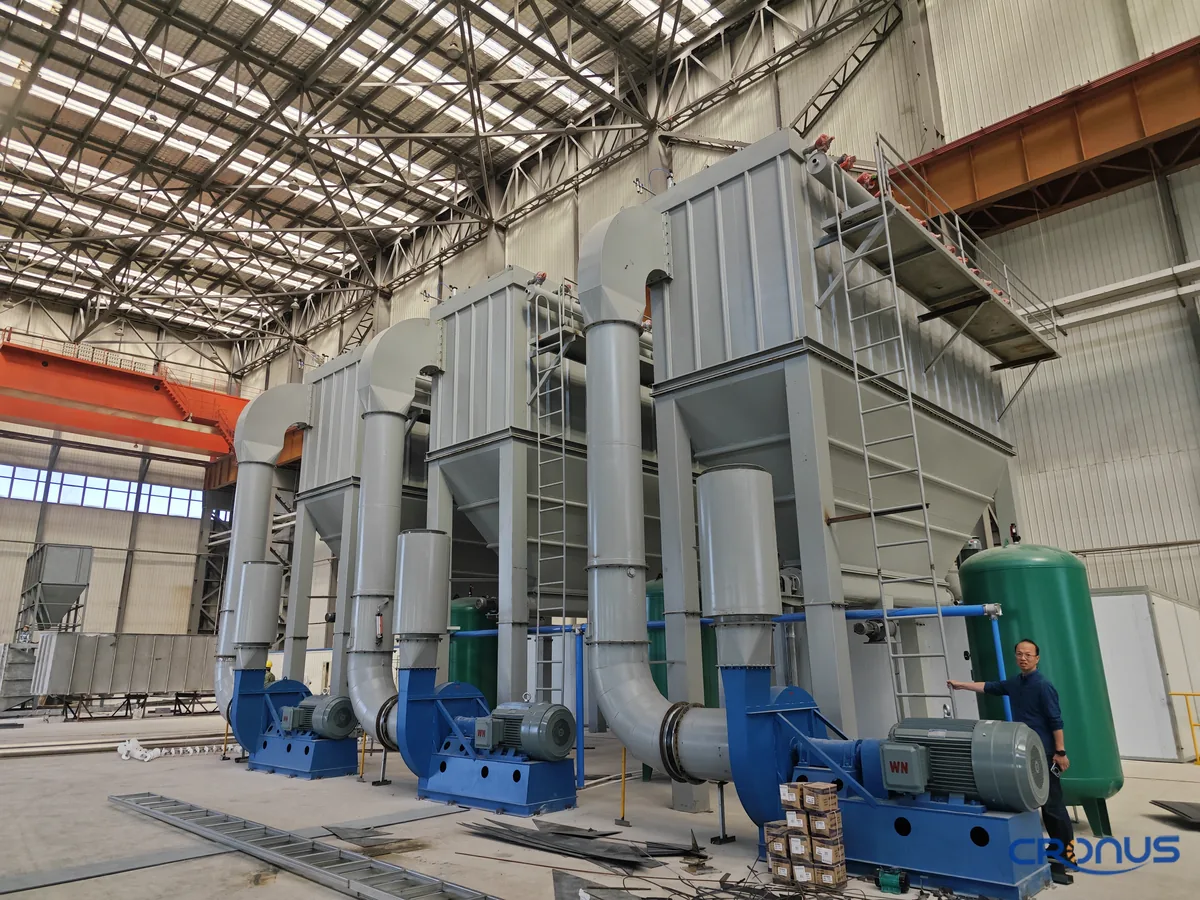
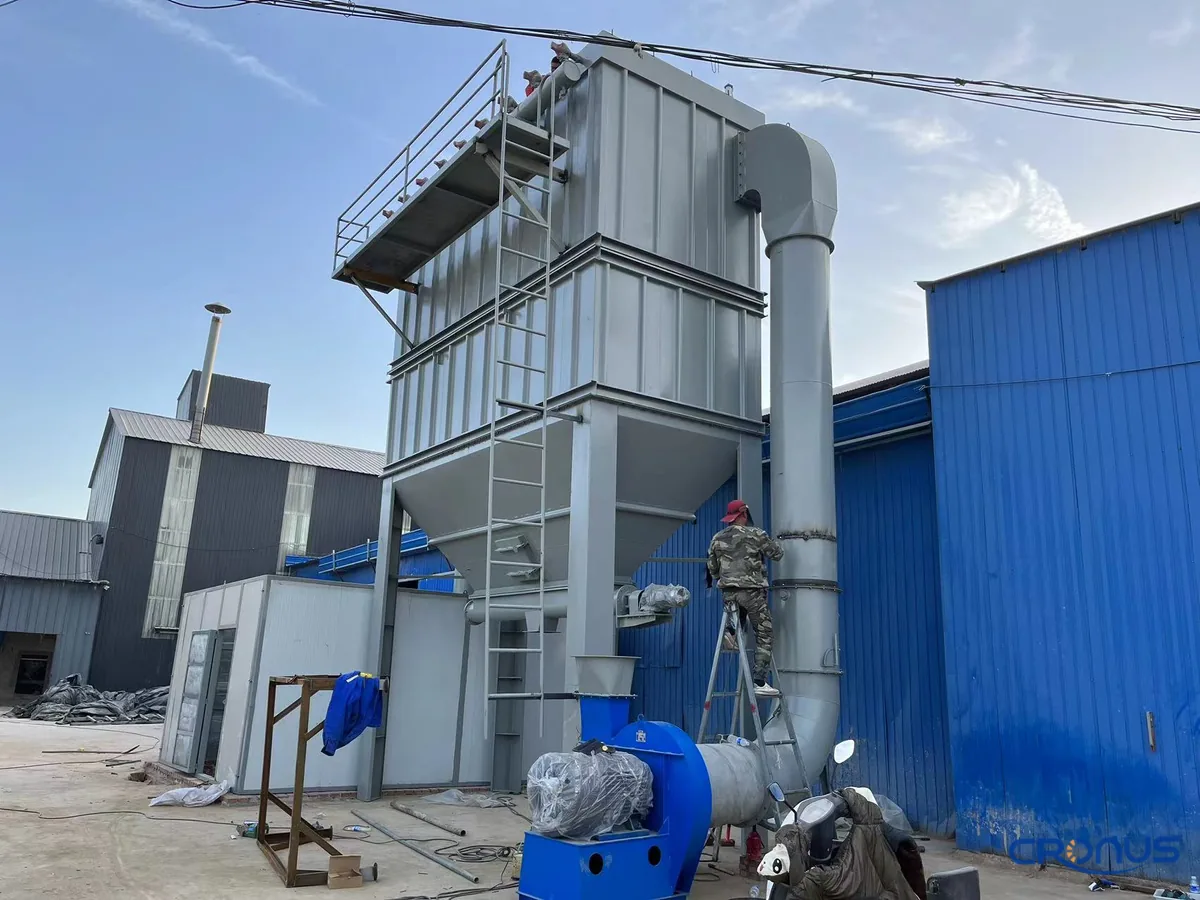
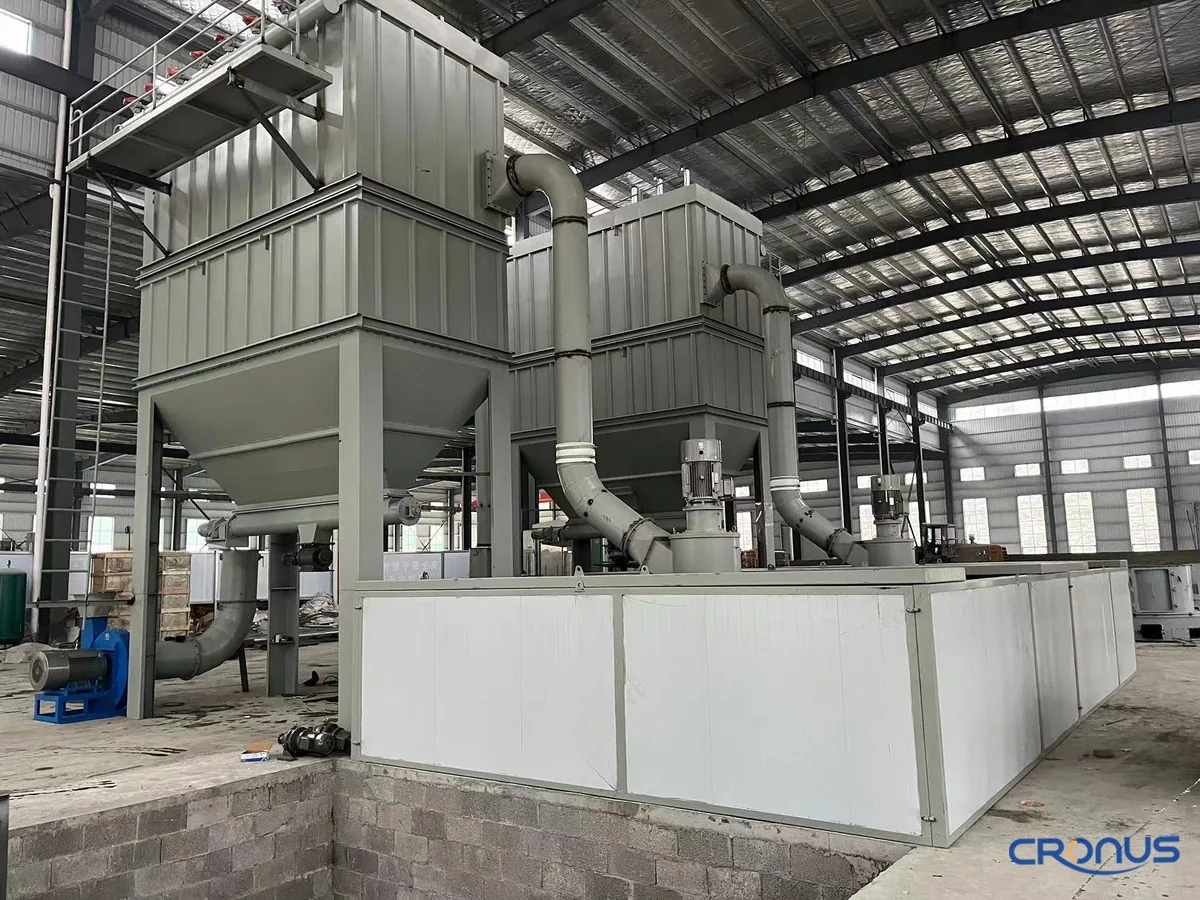
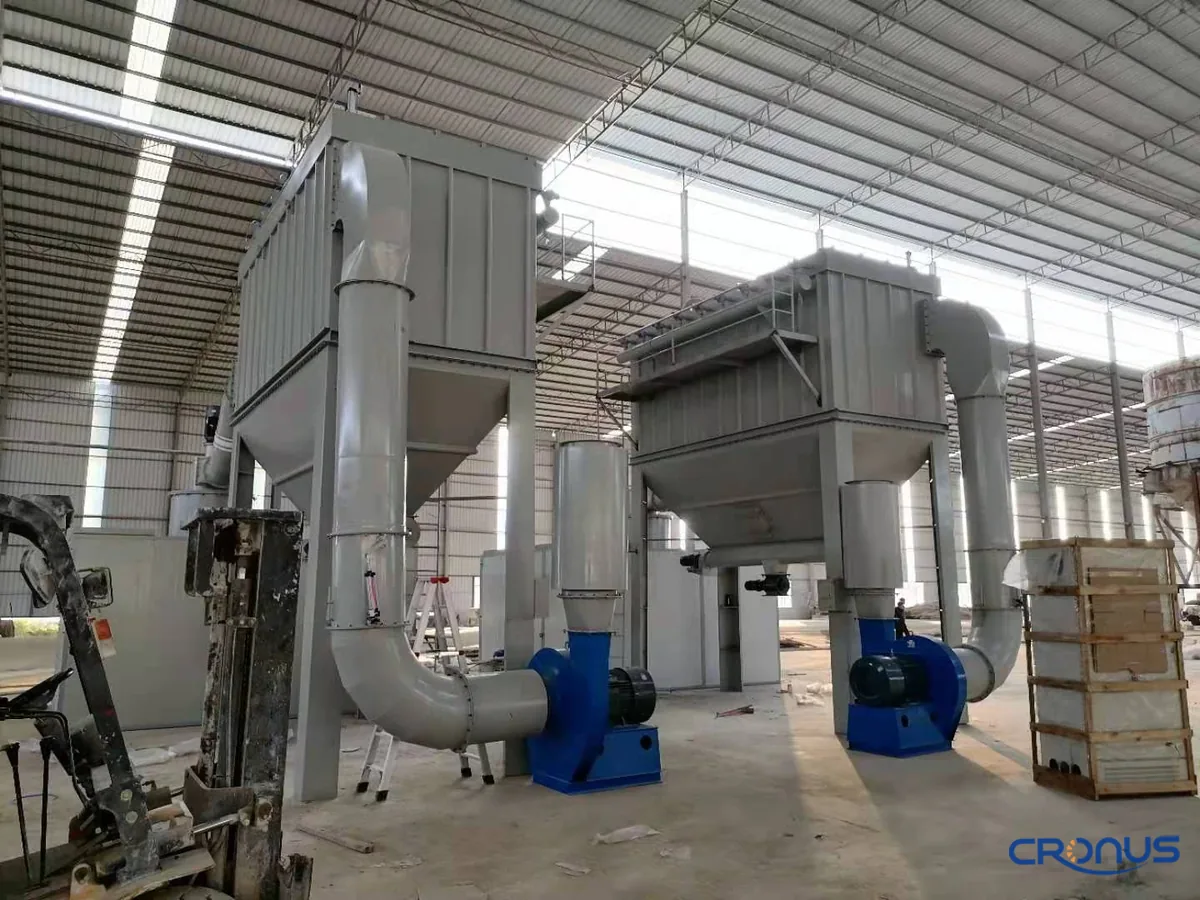
Built and commissioned for production
Each line is configured around the material test, power supply, plant layout, dust control and finished-product route.
Performance reference
Selection parameters
These values define a normal engineering envelope, not a universal guarantee. Capacity and power depend on grindability, moisture, abrasiveness and target particle distribution.
| Typical feed size | ≤ 10 mm after pre-crushing |
|---|---|
| Finished fineness | 325-2500 mesh (approx. 45-5 μm) |
| Size control | D97 target, verified by material test |
| Reference throughput | 0.5-12 t/h across available configurations |
| Suitable hardness | Generally Mohs ≤ 7, subject to wear evaluation |
| Recommended moisture | Generally ≤ 6%; drying may be required |
| Arrangement | 2-6 rotors in parallel, configuration dependent |
|---|---|
| Rotor drive | Independent variable-frequency control |
| Product modes | Single grade or optional dual-grade output |
| Coarse rejection | Internal return to grinding zone |
| Air circuit | Negative-pressure closed-loop system |
| Collection | Cyclone and/or pulse-jet dust collector |
| Main mill | Selected by capacity, feed and target D97 |
|---|---|
| 125 series | Multi-head classification for high-output ultrafine duty |
| Electrical standard | Customized to local voltage and frequency |
| Control | PLC/VFD with interlocked logic |
| Foundation & layout | Engineered to project conditions |
| Quotation basis | Material test + confirmed process data sheet |
Provide material, feed size, moisture, target D97/mesh, capacity and end use for accurate selection.
Selection guide
Multi-head vs. single-head ultrafine mill
Decision factor
Single-head classifier
Multi-head classifier
Classifier airflow
Limited by one rotor flow area
Parallel flow area supports higher air volume
High-fineness output
Output falls faster as resistance rises
Better release of capacity at 1500-2500 mesh
Particle distribution
More sensitive to field disturbance
Sharper cut and reduced coarse bypass
Product flexibility
One grade at a time
Optional simultaneous dual-grade production
Over-grinding
More recirculation at fine cuts
Qualified fines exit sooner
Best choice
Moderate fineness and capacity
High fineness, narrow PSD and larger output
Choose by process data, not only by motor power.
Compare My MaterialA large chamber paired with an undersized classifier leaves capacity unused.
Wear parts & lifetime support
Original parts from the people who built the mill
Matched geometry, verified materials and practical inventory planning. Our own casting resources improve traceability, availability and ownership cost.
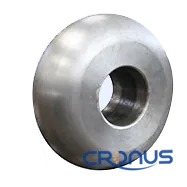
Grinding rollers
Wear-resistant material and matched profile.
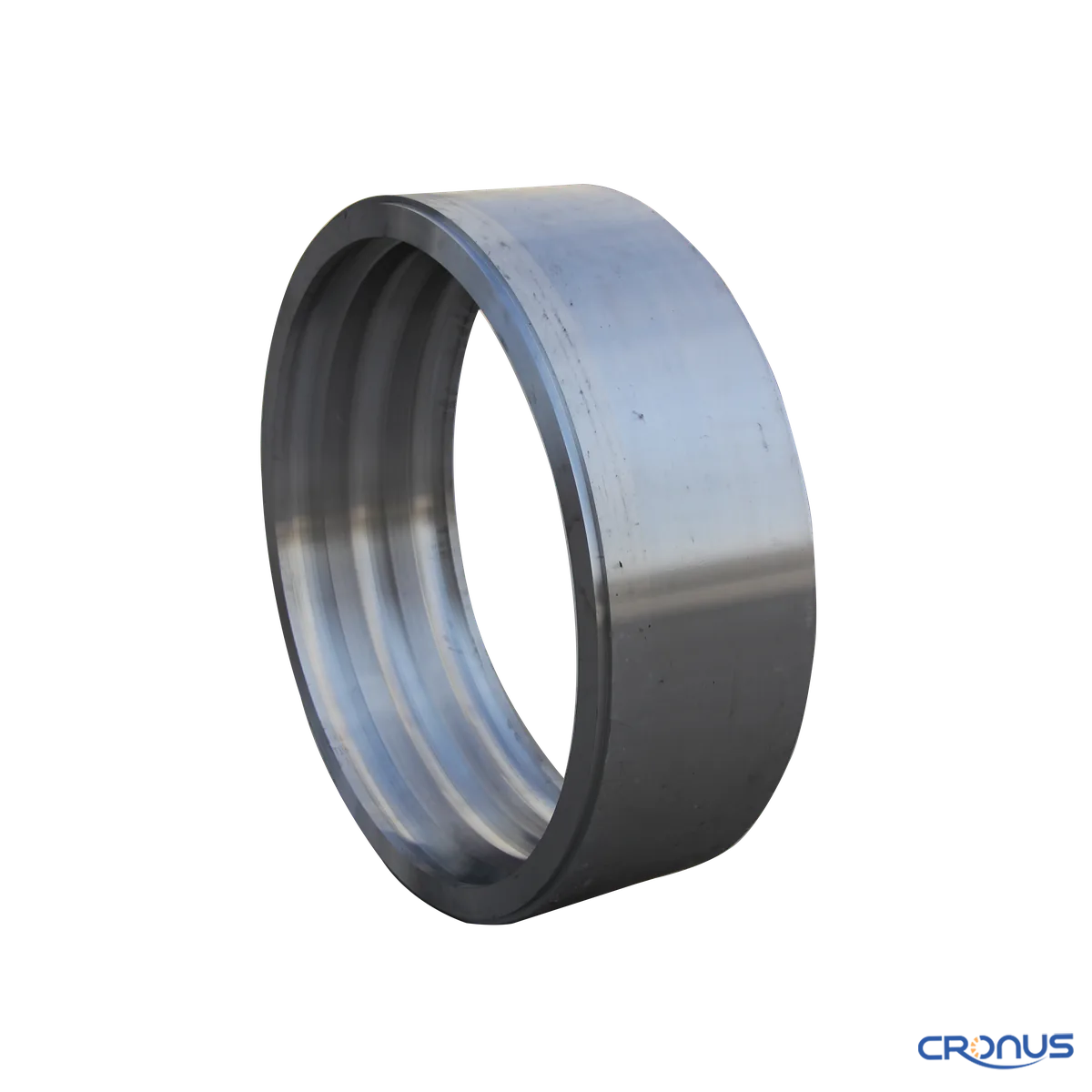
Grinding ring
Controlled hardness and stable fit.
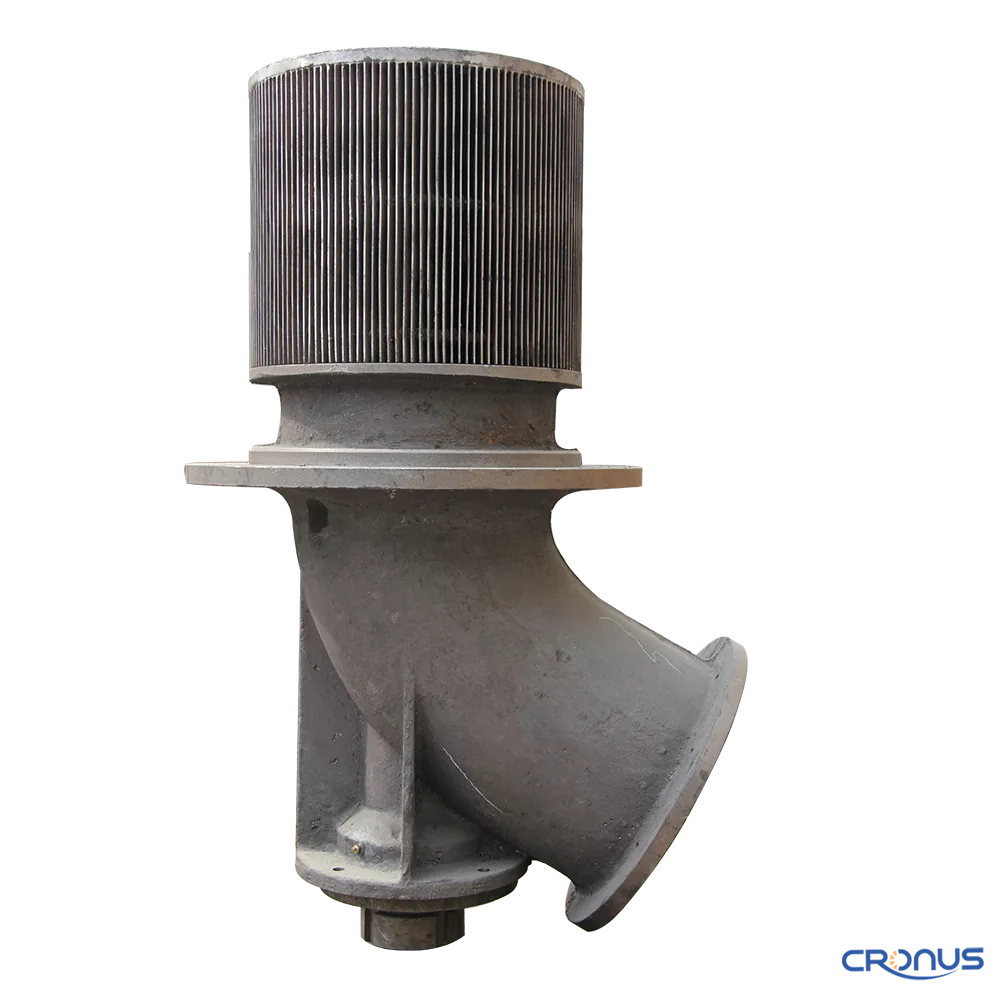
Classifier parts
Rotor, blades, shaft and drive components.
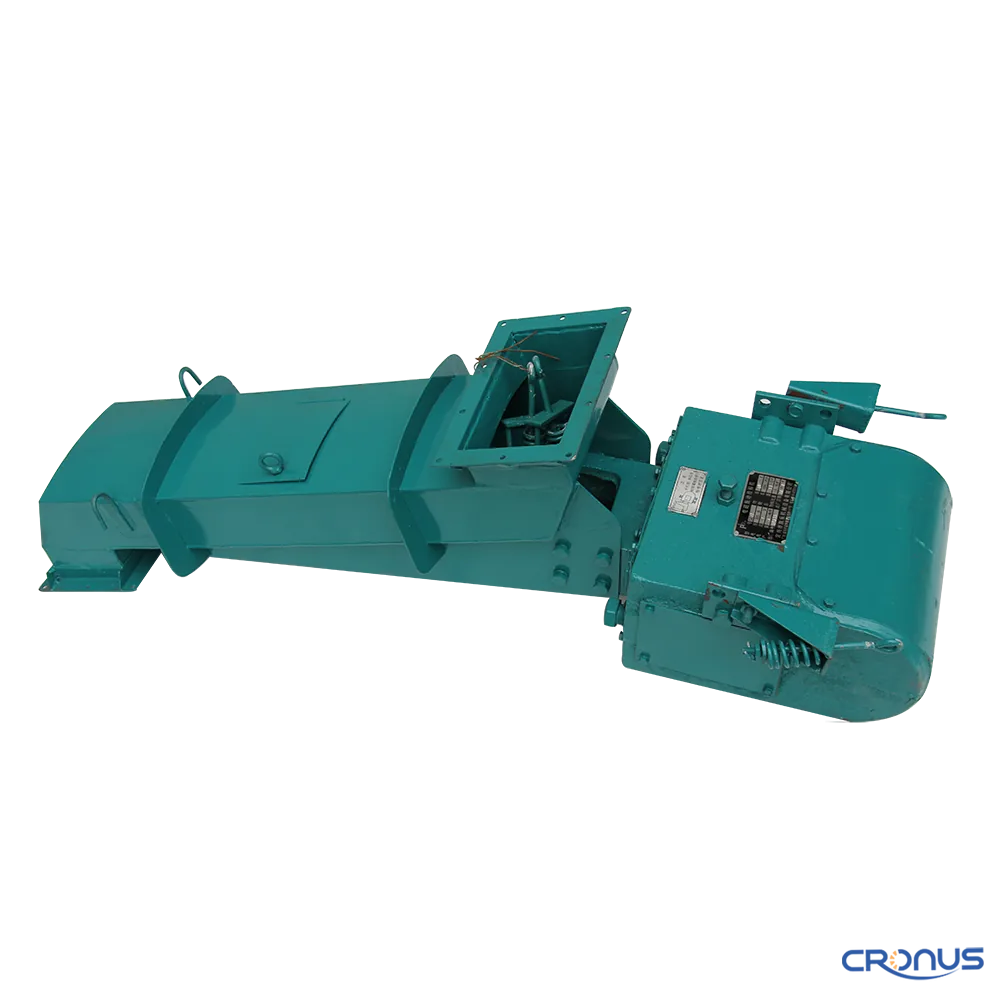
Feeding system
Metering parts for stable mill loading.
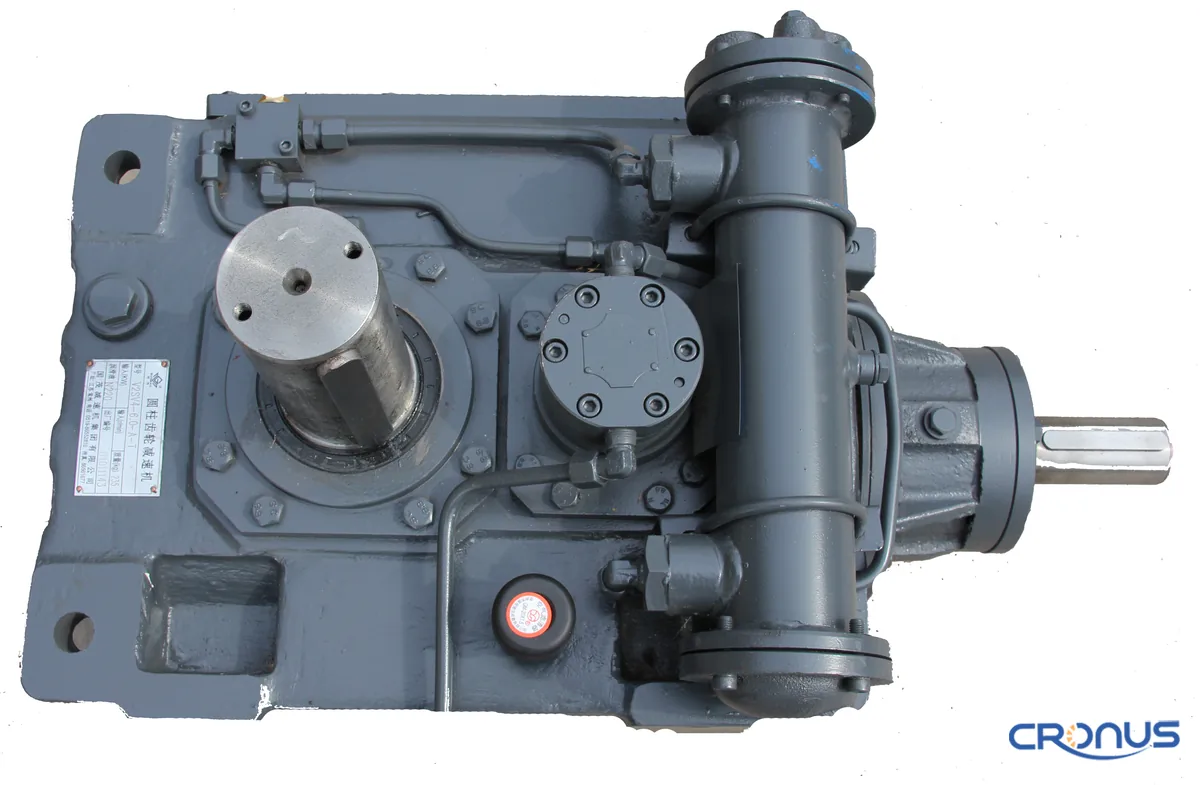
Transmission
Gearbox, bearings, seals and couplings.
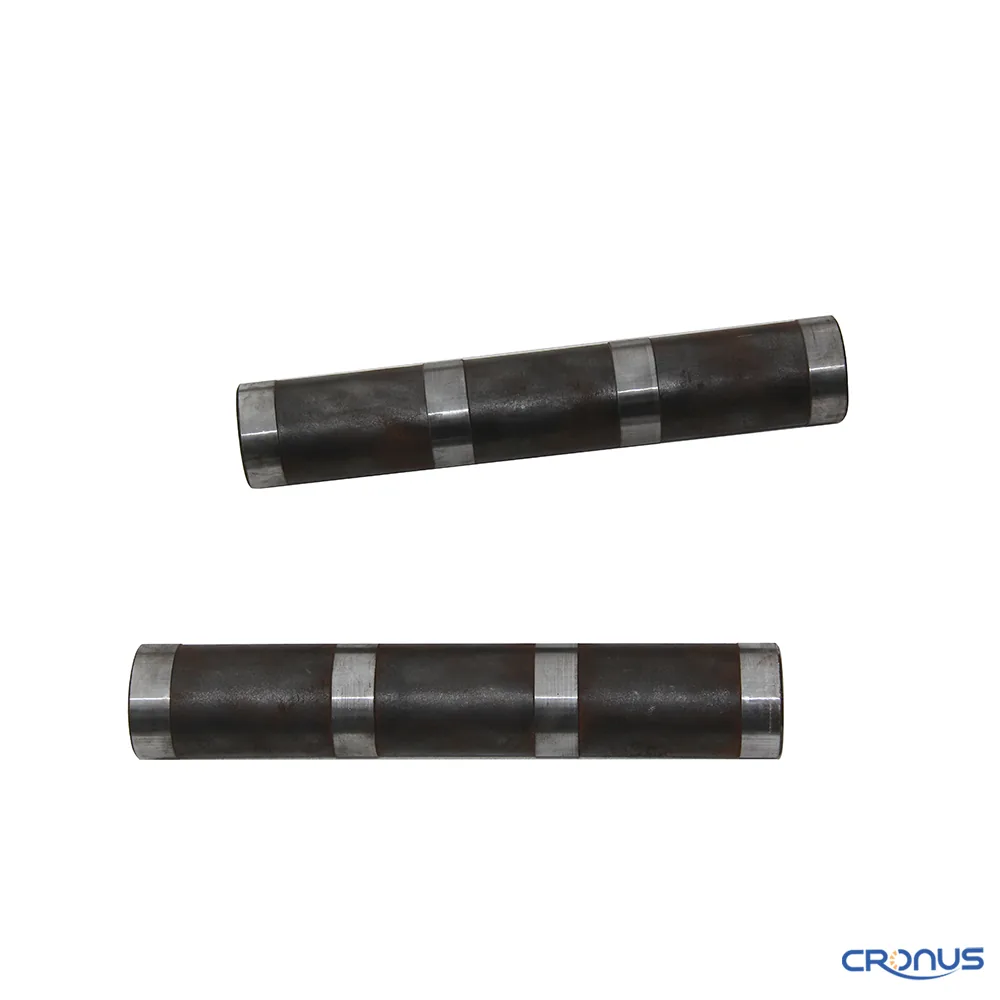
Pins & hardware
Correct tolerances for dependable assembly.
Original drawingsOwn casting capabilityQuality traceabilityPractical pricingExport packingFast identification
1973Manufacturing heritage
About Cronus
Global service backed by Guilin Mining Machinery
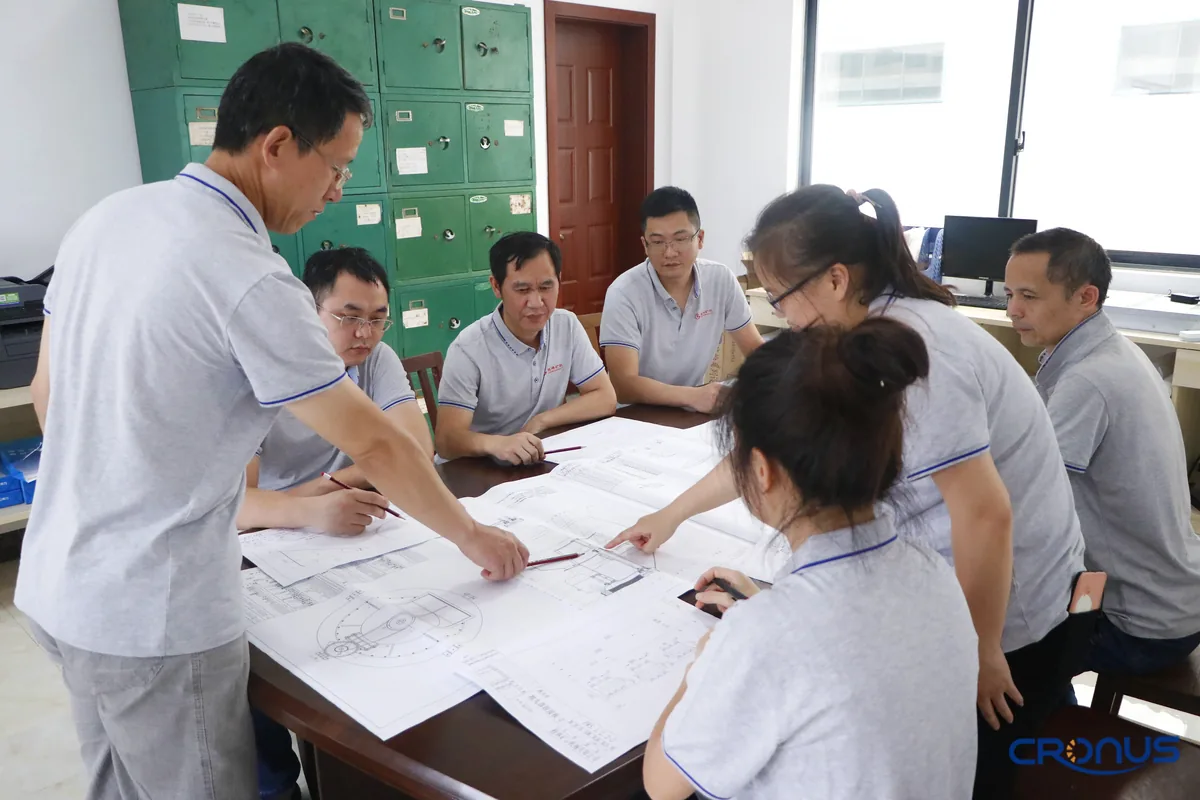
shanghai cronus machienry co.,LTD. is a subsidiary of Guilin Mining Machinery, an established grinding-equipment manufacturer founded in 1973. More than five decades of production experience support design, casting, machining, assembly, testing and after-sales service.
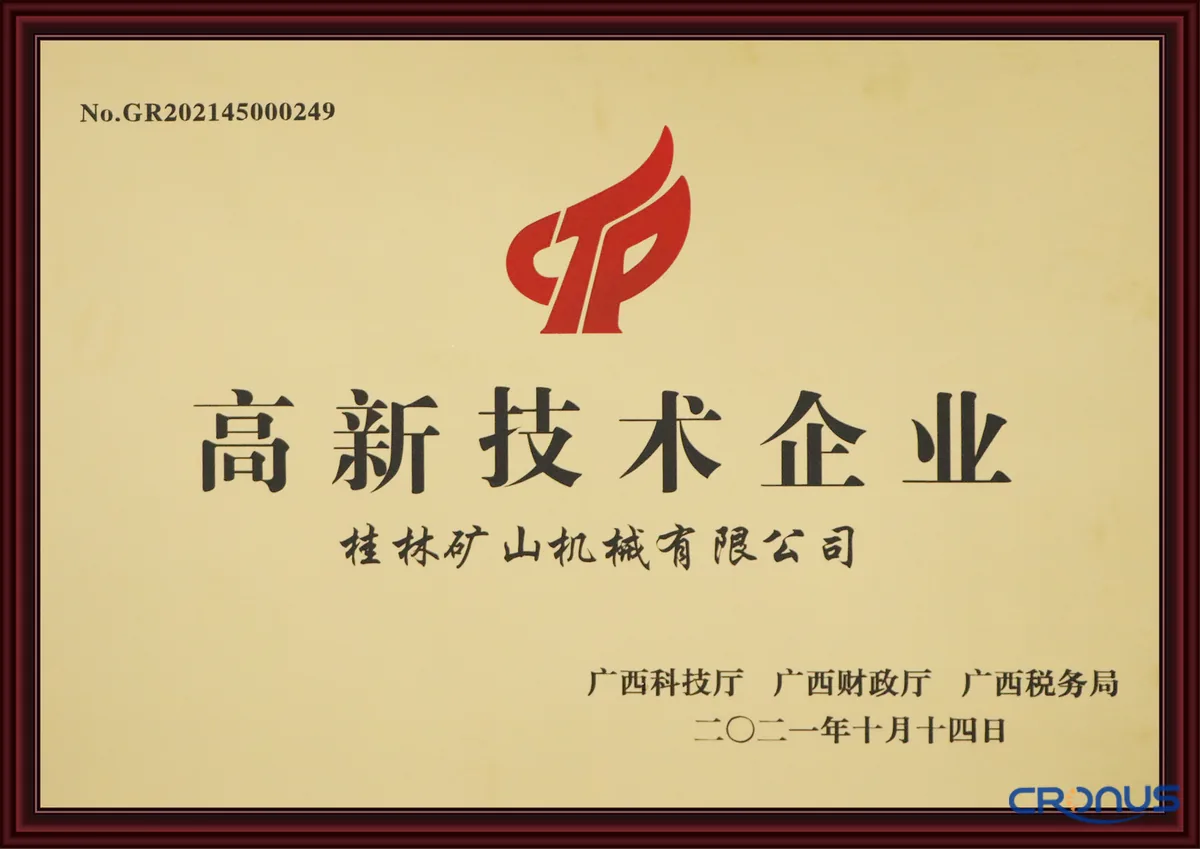
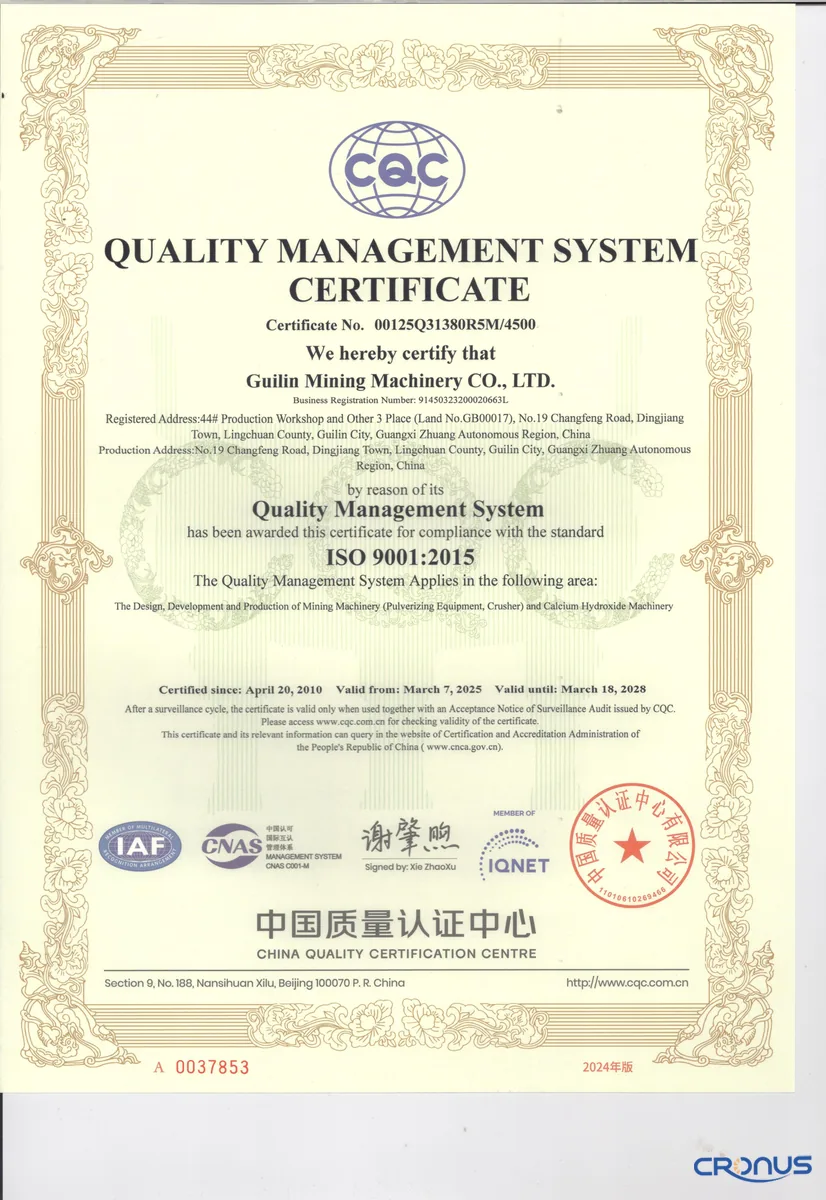
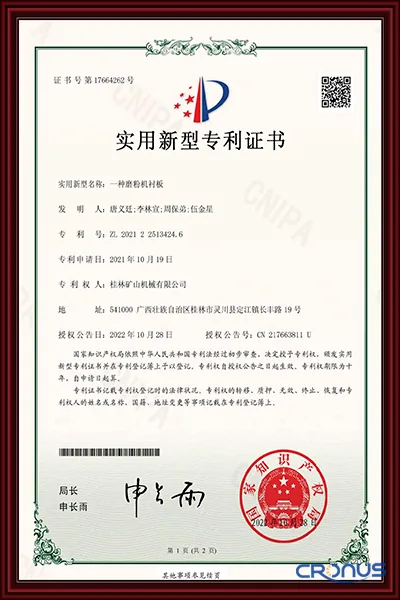
The manufacturing organization has been recognized through high-tech enterprise credentials, patents and technical achievements. Product and management systems include CE and ISO-related certification for relevant scopes and models.
50+years of production
Integratedcasting, machining, assembly
Globalproject and parts support
Lifecycle service
Support from test grinding to stable production
Material evaluation
Review chemistry, hardness, moisture, abrasiveness, target PSD and end use.
Process engineering
Selection, flow diagram, layout, dust collection and utilities.
Manufacturing QA
Inspection of key parts, assembly checks and documentation.
Installation guidance
Foundation information, remote support and optional commissioning.
Operator training
Startup, fineness adjustment, maintenance and troubleshooting.
Parts continuity
Wear-part planning and long-term original spare supply.
Technical FAQ
Questions buyers ask before selection
Final equipment selection should be confirmed by a material test and project data sheet.
What exactly does “multi-head” mean?
Multiple classifier rotors arranged in parallel above one grinding chamber. It does not mean multiple sets of rollers and rings inside the chamber.
Why does it increase output at high fineness?
Parallel rotors provide more combined airflow area, reducing the bottleneck that often limits one rotor at 1500-2500 mesh.
Can it produce two grades simultaneously?
Selected configurations can set different rotor speeds and route two qualified fractions. Specify this during process design.
What fineness can the system produce?
A typical range is 325-2500 mesh, roughly 45-5 μm. Actual D97 depends on material and configuration.
How is fineness adjusted?
Mainly through classifier speed, airflow and feed rate. VFD control allows adjustment without changing the grinding chamber.
Does multi-head classification always save energy?
It can reduce over-grinding. Actual kWh/t improvement must be verified at the same material, D97 and capacity.
What data is needed for selection?
Material, feed size, moisture, hardness, abrasiveness, target D97, capacity, end use, voltage and site constraints.
Which materials are not suitable?
Flammable, explosive, highly wet, sticky or extremely abrasive materials require special evaluation.
How is coarse particle bypass controlled?
Stable negative pressure, balanced rotor loading and independent speed control create a more uniform field.
What are the main wear parts?
Rollers, grinding ring, classifier blades, seals, bearings, pins and selected feeder or transmission parts.
Can an existing single-head system be upgraded?
Sometimes. Interfaces, fan capacity, airflow, structure and controls must be checked from drawings and operating data.
How long does installation take?
Timing depends on line scope and site readiness. A schedule follows confirmation of civil work, utilities and shipment scope.
Talk to an application engineer
Send your material. Get a practical proposal.
Include target fineness and capacity. We will confirm classifier heads, main mill size, airflow and collection.
WhatsApp / Mobile+86 199 2122 1418Emailsales@shcronus.com
Shanghai OfficeRoom 801, Building 2, Shanghai Zhicheng, 8666 Hunan Highway, Pudong New Area, Shanghai, China